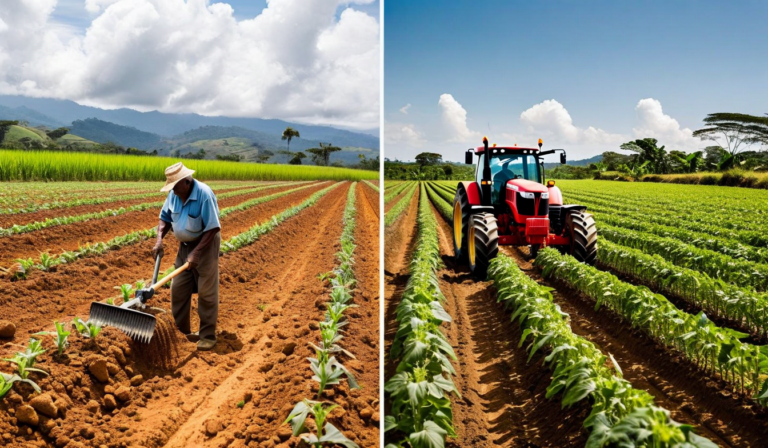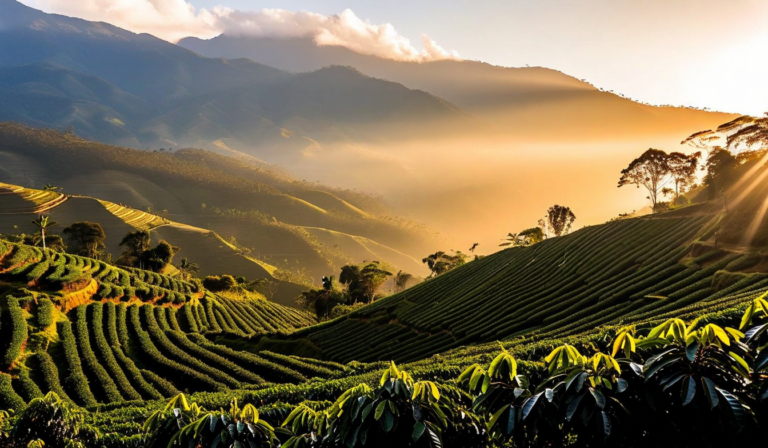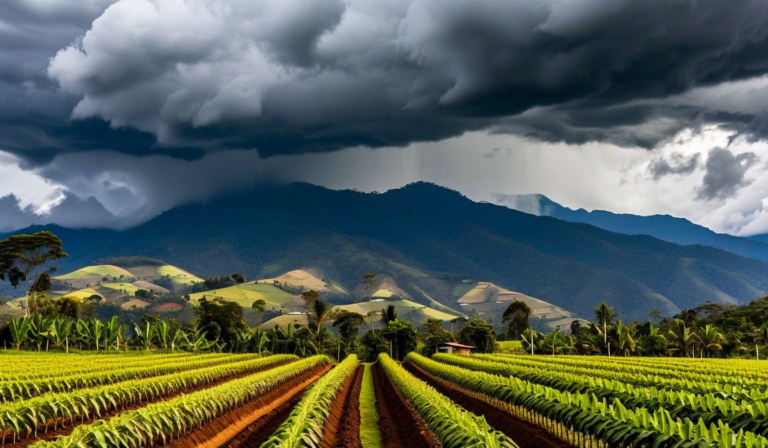
Colombian farms have always managed climate variability. The Andean geography creates dozens of microclimates in a small area. Farmers learned long ago that what works in Cundinamarca doesn't automatically work in Boyaca two hours away. Climate resilience isn't a new concept here. But the scale and unpredictability of change has accelerated.
What ENSO means for Colombian agriculture
ENSO - the El Nino-Southern Oscillation - is the dominant climate driver affecting Colombia's rainfall patterns. El Nino years bring warmer Pacific ocean temperatures that typically reduce rainfall across most of Colombia, particularly in the Andean highlands and the coffee belt. La Nina years do the opposite: enhanced rainfall, higher flood risk, and extended wet seasons.
In practice for Colombian coffee farmers: an El Nino year in Huila might mean a dry period that extends 4-6 weeks longer than average, arriving earlier and straining irrigation capacity. A La Nina year in the same region might mean an extended wet season that keeps fungal disease pressure high for an extra month. Neither is catastrophic if you're prepared. Both become costly if you're running standard seasonal assumptions that don't account for the current ENSO state.
ENSO forecasts are available 3-6 months ahead with reasonable confidence. Using that forecast to adjust planting calendars, irrigation infrastructure positioning, and pest monitoring frequency is a low-cost climate adaptation strategy that's available right now.
What climate resilience actually means for a 20-hectare farm
Climate resilience isn't a single technology or practice. It's a set of decisions that reduce your farm's vulnerability to climate variability while maintaining economic viability. Four specific strategies show up consistently across well-managed farms in the Colombian highlands:
Soil organic matter as a moisture buffer
Soil with higher organic matter content holds more water and drains more evenly. A soil at 3% organic matter content holds roughly twice the plant-available water of a soil at 1.5% in similar clay-to-sand ratios. During dry spells, that buffer means your crops have access to water for 5-7 more days before stress begins. Building organic matter through cover crops and reduced tillage is a multi-year investment, but it's the most durable drought buffer available.
Cover crops for erosion control
La Nina years bring heavy rainfall events that cause significant soil erosion on sloped Andean fields. A bare soil surface between crop rows can lose 8-15 tons of topsoil per hectare per year in high-rainfall years. Cover crops - legumes are particularly effective in the highlands - protect soil surface, improve infiltration, and add nitrogen. The erosion prevented in one bad rain season can justify the cover crop cost over multiple years.
Crop diversity for revenue stability
A farm growing only one crop has full exposure to both the climatic and price risk of that single commodity. Even modest diversification - a primary cash crop plus a secondary food crop or a different variety of the same species with different maturity timing - spreads risk across climate events that might hurt one crop while leaving another intact.
Data-driven timing adjustments
Planting calendars in Colombia are often based on traditional knowledge of rainfall seasons. That knowledge is still valuable, but it was calibrated to climate patterns from 20-30 years ago. Data from soil sensors and current ENSO state allows you to adjust timing dynamically - planting a week later if soil temperature at depth is still below germination threshold, or advancing harvest planning if evapotranspiration data suggests the dry season is arriving earlier than the historical average.
The shift from reacting to managing probabilities
Climate adaptation isn't about predicting exactly what will happen. It's about managing probabilities. An El Nino forecast doesn't guarantee drought - it raises the probability. Running higher soil moisture reserves, prepping supplemental irrigation, and scheduling extra pest monitoring before an El Nino season arrives costs less than emergency responses after crops are already stressed.
Farms that use data to manage to probabilities rather than reacting to events show consistently lower variance in yields across climate-variable years. The best growing seasons look roughly the same. The bad years hurt less.