Agronomía de precisión en Colombia
Lo que aprendemos en campo: sigatoka negra, Ganoderma, vuelos multiespectrales y decisiones agronómicas en el trópico húmedo colombiano.
Artículos
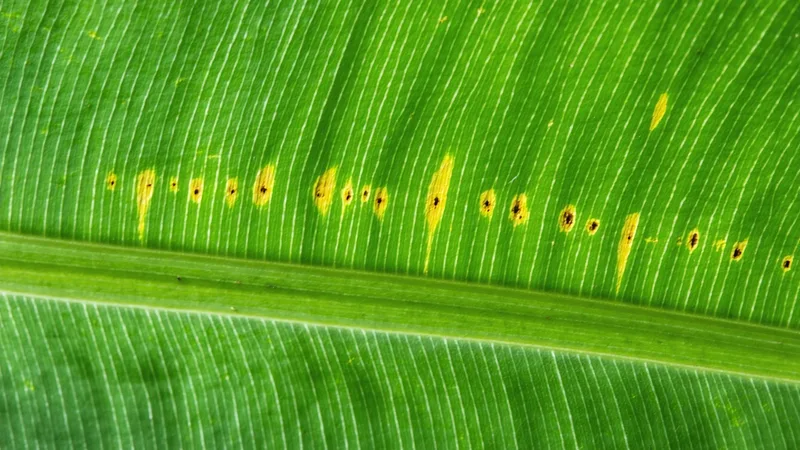
Sigatoka negra: ventana de detección espectral pre-sintomática
La banda NIR y el índice NDRE registran el cambio en la estructura celular del mesófilo foliar antes de que M. fijiensis genere síntomas visibles. Medimos esa ventana en 4–6 días.
Leer más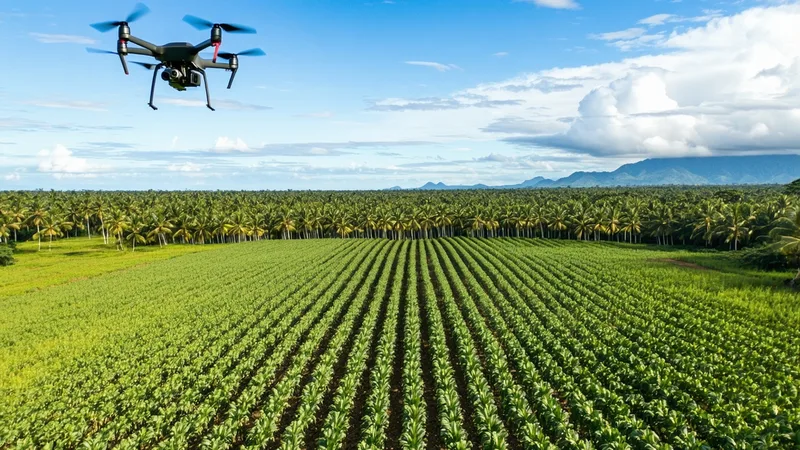
Vigilancia aérea en palma africana: Ganoderma y estrés hídrico
Ganoderma boninense afecta la relación NDRE/NDVI de las hojas de corona antes de que el síntoma sea visible en el estipe. Esto es lo que vimos en los primeros vuelos en Meta.
Leer más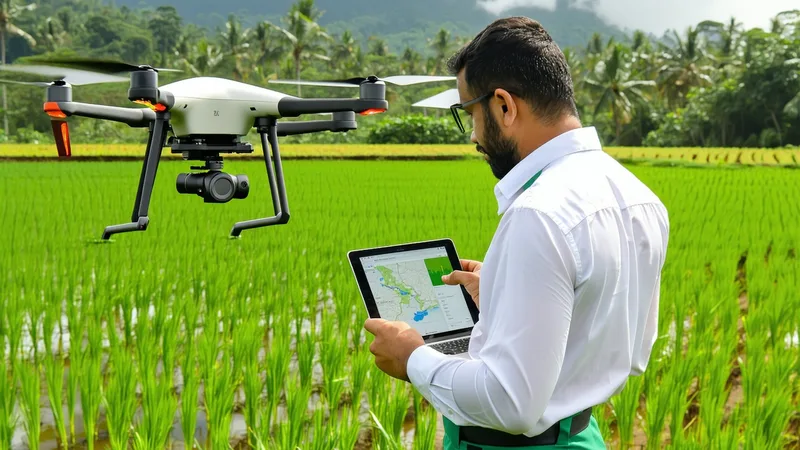
Fotogrametría en zonas tropicales: lecciones de 200 vuelos en Colombia
Nubosidad superior al 30%, lluvia convectiva de tarde y viento cruzado: los tres enemigos del vuelo multiespectral en Colombia y cómo los gestionamos después de 200 misiones.
Leer más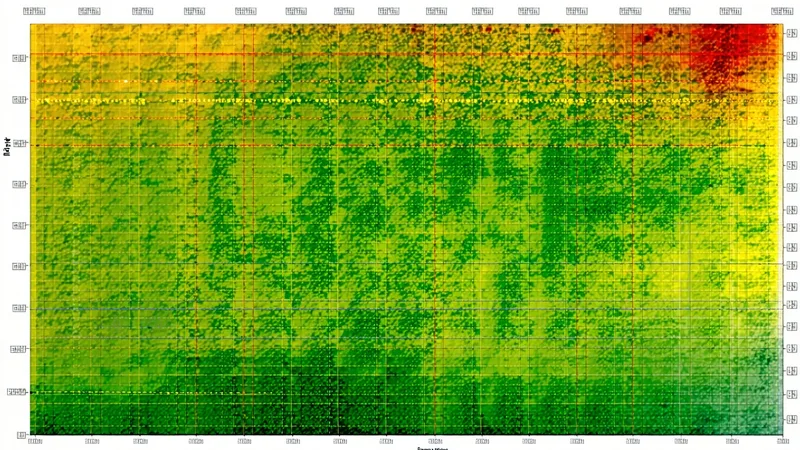
Índice de severidad foliar: cómo cuantificamos el daño por sigatoka
Cómo combinamos NDVI, NDRE y GNDVI a nivel sub-bloque para producir un nivel de alerta verde/amarillo/rojo que el agrónomo puede actuar directamente sin necesitar ser especialista en teledetección.
Leer más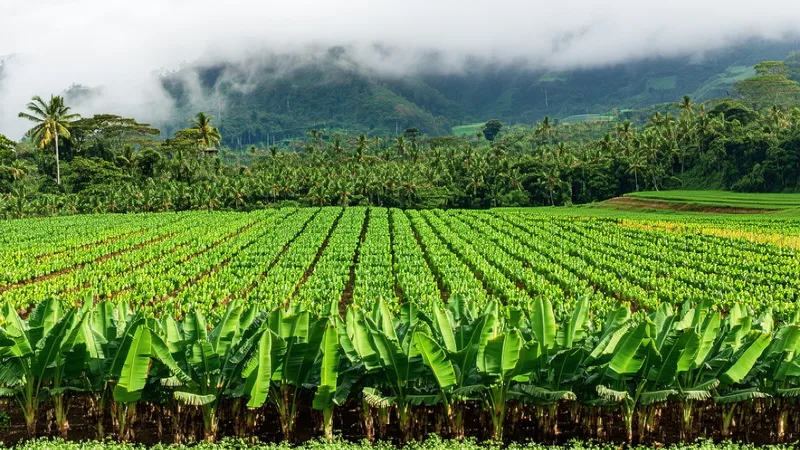
Agricultura de precisión en el Urabá antioqueño: retos y oportunidades
Alta humedad relativa, relieve quebrado en la transición cordillera-llanura y conectividad variable: los tres condicionantes que hacen del Urabá antioqueño una zona de operación exigente para drones multiespectrales.
Leer más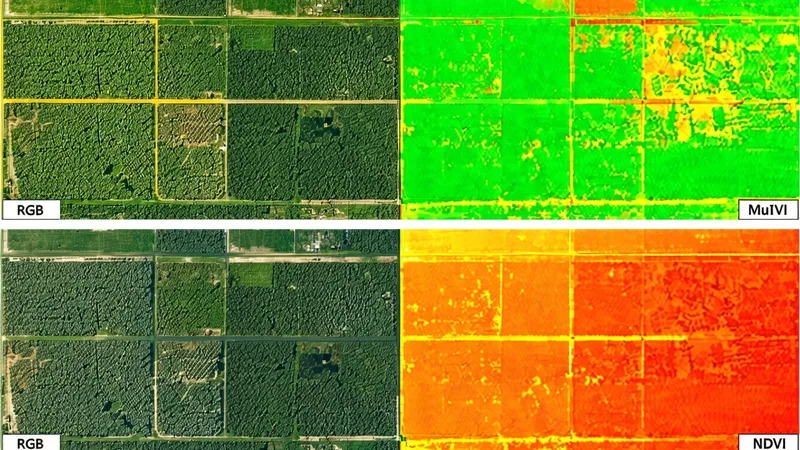
Por qué la imagen RGB no es suficiente para diagnosticar la sigatoka
La cámara RGB muestra un lote verde y aparentemente sano. La Micasense RedEdge-MX muestra tres sub-bloques con anomalía en Red Edge 717 nm. Cuatro días después, el agrónomo encontró sigatoka activa en esos mismos sub-bloques.
Leer más