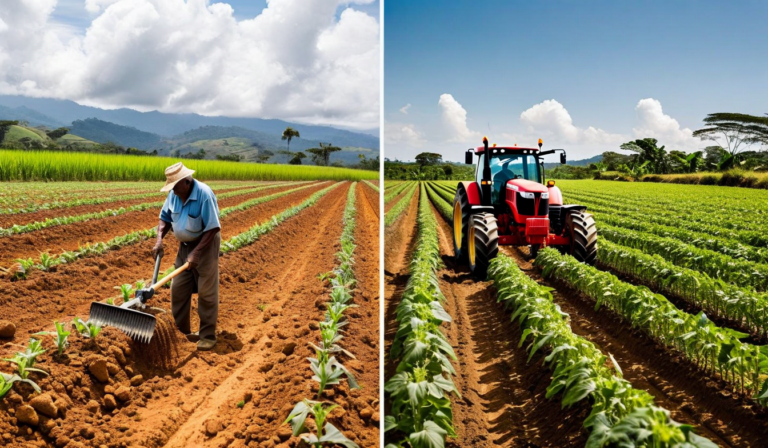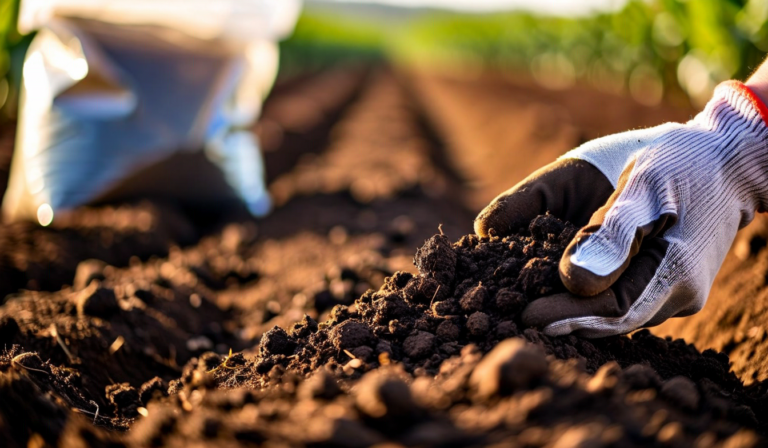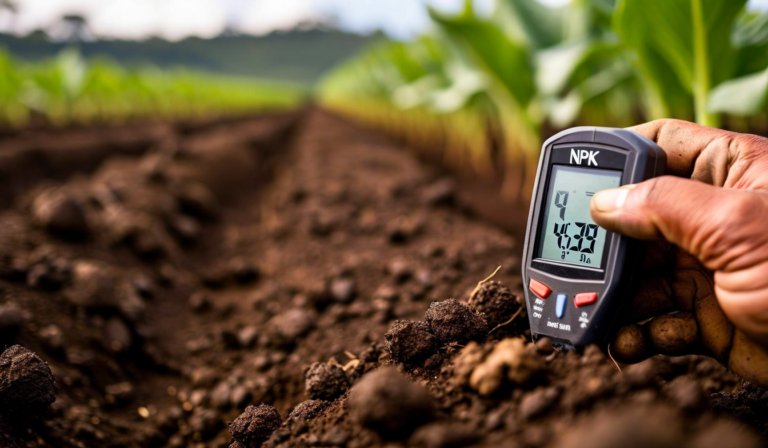
Farmers in Colombia check the weather forecast every morning. It's a reflex. And it makes sense - rain and temperature shape everything. But the weather forecast has a fundamental limitation: it tells you what's happening in the air, not in the ground.
Your crop doesn't live in the air. It lives in the soil.
The gap between what the forecast says and what your field needs
A weather forecast will tell you that 12mm of rain is coming Tuesday. What it won't tell you is that your north field has clay-heavy soil that retains water for four days after rain, while your south field drains within six hours. The same Tuesday rain event means completely different things to two fields 200 meters apart.
Soil monitoring fills that gap. Real moisture readings from your specific soil profile tell you whether Tuesday's rain means you skip irrigation this week or whether your sandy south field still needs a supplemental cycle on Thursday.
The three soil metrics that matter most for Colombian crops
Soil moisture at 20cm and 40cm depth
Surface moisture readings are noisy - they spike after rain and drop fast. What you really need is moisture at root depth. For most highland crops in Colombia, that's 20-40cm. A crop can look fine at the surface and be experiencing real water stress at root level. The visual stress signs come 3-5 days after the actual deficiency starts.
Nitrogen availability
Nitrogen is the nutrient that Colombian farmers tend to over-apply most. This isn't carelessness - it's a rational response to uncertainty. If you don't know what's in your soil, the safe bet is to add more. The problem is that excess nitrogen doesn't improve yield after a threshold. It costs money, damages soil biology, and runs off into waterways. Knowing your actual nitrogen level lets you fertilize to the number, not to the anxiety.
Soil pH
Colombia's highland soils trend acidic. pH affects how much of the nutrients you apply actually become available to your plants. Fertilizing a soil with pH 5.2 is measurably less effective than the same fertilization at pH 6.0. Knowing your pH and correcting it before fertilization multiplies the value of every input you put down.
Weather data has value - just not as a substitute
Weather data is still important. Rainfall forecasts inform irrigation scheduling. Temperature data feeds into pest and disease pressure models. The point isn't that weather data is useless - it's that it's incomplete without a ground-truth layer underneath it.
The best decisions come from combining both: weather tells you what's coming, soil data tells you what your field currently needs and how it will respond to what's coming.
What this looks like in practice
A farm in Cundinamarca growing potatoes across four field zones now receives weekly soil reports for each zone separately. Before using sensor data, the farm manager applied uniform fertilization across all zones based on field experience. After 12 months of soil data, he's applying 20% more nitrogen to the two lower-drainage zones and 15% less to the hilltop zone - which was always getting more than it needed. Total fertilizer spend is down. Yield is up in the zones that were previously underfed.
That's what happens when you replace a single average with four actual measurements.
The practical path forward
You don't need sensors in every zone at once. In our experience, a single soil moisture sensor placed in your most problematic field zone gives you more actionable data in the first season than any weather forecast ever will. It shows you whether your irrigation timing is right, whether your fertilization is landing in the right conditions, and whether the issues you've been seeing have a soil-moisture explanation.
Start with one field, one season of data, and a comparison of your input costs and yield outcomes before and after. The math usually makes the case for expanding coverage on its own.
If you want to see how Sioma's soil monitoring works on Colombian highland crops specifically, request a demo and we'll walk through your farm's specific soil types and crop mix.