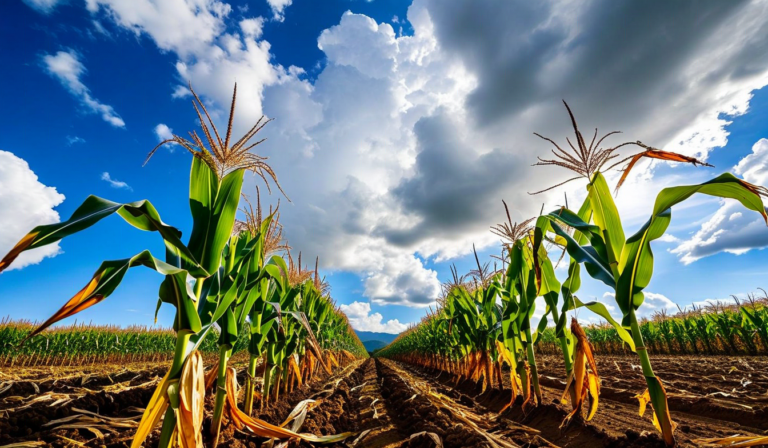
Wilting is a late signal. By the time maize leaves curl under drought stress in a Cundinamarca dryland zone, the plant has already been reducing photosynthesis for two to four days. The yield potential for that growth stage has already taken a hit.
The question isn't how to respond to water stress. It's how to see it coming before the plant tells you about it visibly.
What evapotranspiration actually means for your field
Evapotranspiration (ET) is the combined amount of water that evaporates from soil and transpires through plants on any given day. It's driven by temperature, solar radiation, humidity, and wind - essentially, how hard the environment is pulling water out of your crop.
On a hot, sunny, dry-wind day at 2,400 meters in Cundinamarca, a maize crop might use 6-7mm of water. On a cool, overcast day, that same crop might use 2mm. ET tells you what your crop is trying to consume.
Soil moisture tells you what's available. When available moisture at root depth falls below the crop's ET demand, stress begins. When the gap opens and stays open for 2 or more days, yield reduction starts.
The 3-5 day lag in visible symptoms
A maize plant experiencing water stress will close its leaf stomata first. This is the plant's initial defense - reducing water loss through its leaves. Photosynthesis drops. Growth slows. This phase is invisible to the naked eye.
Two to three days into the stress event, you'll see leaf rolling or curling, especially in the afternoon. By this point, some yield loss has already occurred - particularly if the stress happened during a critical growth stage like tasseling or silking.
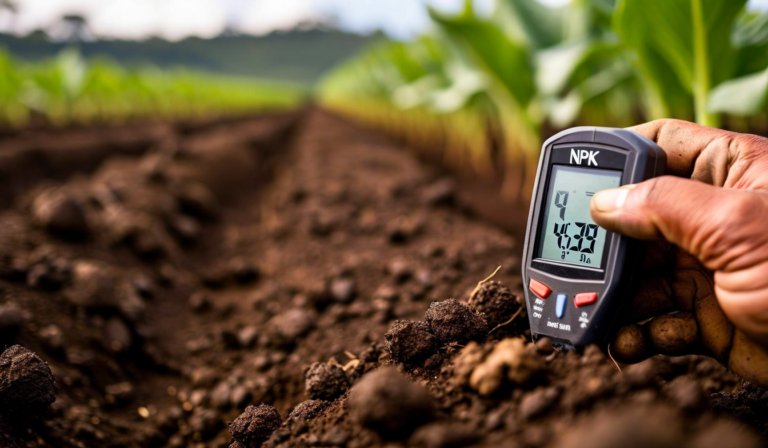
Soil moisture sensors at 20-30cm depth can detect the beginning of this stress event 2-4 days before the visible symptoms appear. That's enough lead time to make an irrigation decision that prevents the yield impact.
Altitude changes the calculation in Colombian highlands
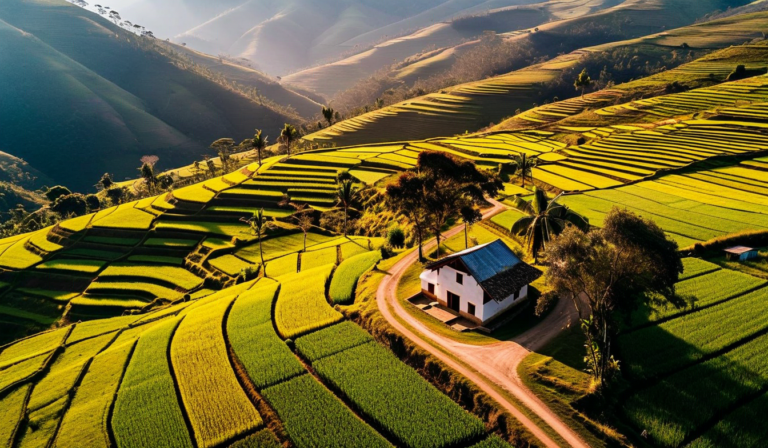
ET varies significantly with altitude. At 2,500 meters in Boyaca, daytime temperatures are lower and the air is thinner, reducing vapor pressure deficit. A crop at this altitude needs less water per day than the same crop at 1,200 meters.
Using standard ET tables calibrated for lowland conditions will overestimate water demand for highland farms. Overestimation means over-irrigation - wasted water, higher costs, and in some cases, waterlogging damage to shallow-rooted crops.
Sioma's irrigation recommendations use altitude-corrected ET calculations based on local weather station data for the specific elevation zone each farm sits in. For a farm at 2,600m near Tunja, that correction factor reduces estimated daily ET by roughly 15-20% compared to sea-level baselines.
What soil moisture reading triggers an irrigation decision
Every crop type and soil type has a different threshold. For potatoes in Boyaca's clay-loam soils, the practical irrigation trigger is when volumetric water content at 20cm depth drops below 35%. Below that point, available water to roots decreases enough to constrain growth. For dryland beans in sandier soils, the trigger is around 25-28% because the soil drains faster and plant demand is different.
Sioma stores crop-specific and soil-type-specific thresholds for farms based on the data submitted at registration. The platform sends an irrigation recommendation when your field's sensor readings cross the threshold - not before. You're not irrigating on a calendar schedule; you're irrigating when your actual field conditions call for it.
The average farm on the platform is irrigating 22% less than before using these recommendations, without any yield reduction. In most cases, yield has increased because soil compaction and nutrient leaching from over-irrigation have decreased.
What this means for your water bill and your crop
For a 20-hectare irrigated farm in Cundinamarca using a pivot or drip system, reducing irrigation frequency by 22% translates to real money — both in energy costs for pumping and in reduced water fees where volumetric billing applies. More importantly, it means you're not damaging soil structure with excess irrigation that pushes oxygen out of the root zone.
The farms that have seen the biggest improvements are the ones that were historically over-irrigating out of caution. Once you have real soil moisture data, you can stop irrigating preemptively and start irrigating precisely. The yield data shows that crops don't need "extra" water — they need the right amount at the right time.
If you're growing potatoes, maize, or vegetables in the Colombian highlands and want to understand how Sioma's irrigation intelligence would apply to your specific crop and soil type, request a demo. We'll show you the model on your actual field altitude and soil profile.