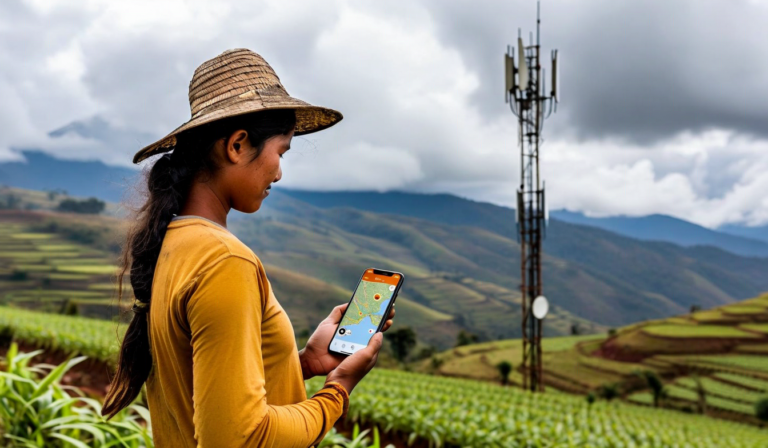
When you open the Sioma dashboard for your farm, the first number you see is the Crop Health Index. It's a single value between 0 and 100 that summarizes the current state of a specific field zone. The simplicity is intentional. Farmers make dozens of decisions per day. A dashboard full of raw sensor readings and spectral analysis outputs is not useful at 6am before going into the field.
But a simplified number is only useful if you know what's behind it. Here's what actually goes into the index and how to use it.
What the four components measure
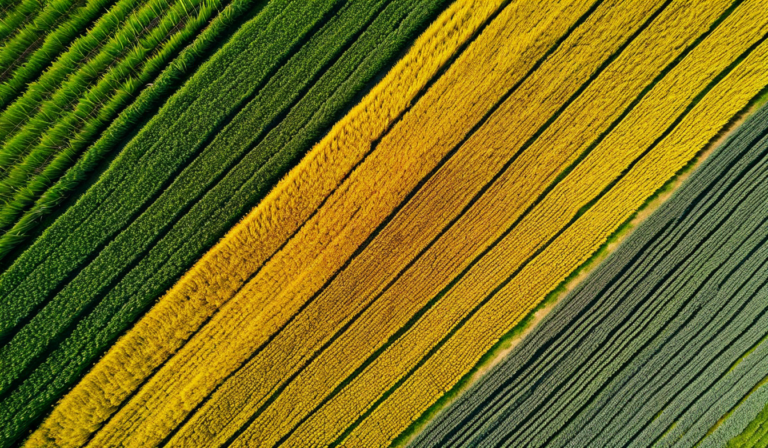
Vegetation density score (from satellite)
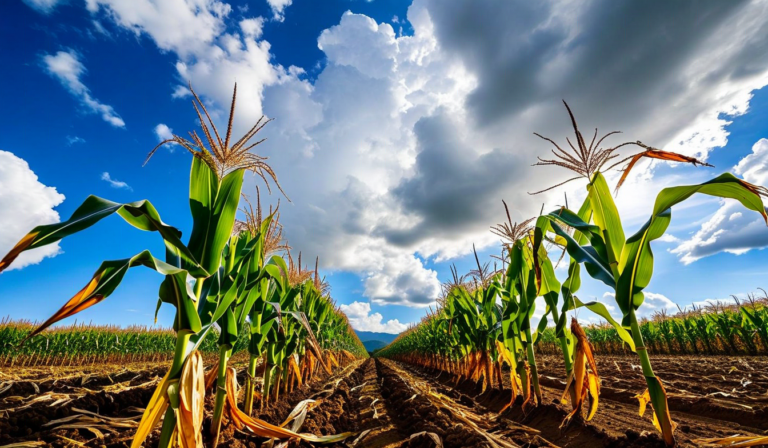
This is derived from the satellite vegetation index pass for your field. It measures how dense and photosynthetically active your crop canopy is relative to expected growth stage for the crop type and time of year registered for that zone. A maize crop at V8 stage should have a certain canopy density range. If the density reading is below the expected range, the component score drops.
Weight in the index: 40%
Water stress score (from soil sensors)
This is the current soil moisture reading at root depth divided by the crop-specific available water threshold for your registered crop type. When soil moisture is above the stress threshold, the score is 100. As moisture drops below the threshold, the score decreases proportionally. At or below the wilting point, the score reaches 0.
Weight in the index: 30%
Temperature stress modifier
This uses local weather station data to flag whether air and soil temperatures are outside the optimal range for your registered crop type. For potato in Boyaca, anything below 8 degrees Celsius or above 28 degrees Celsius is a stress condition. This component modifies the overall index rather than contributing additively - severe temperature stress can reduce the final score significantly even if the other components are strong.
Weight in the index: 15% modifier
Pest and disease risk factor
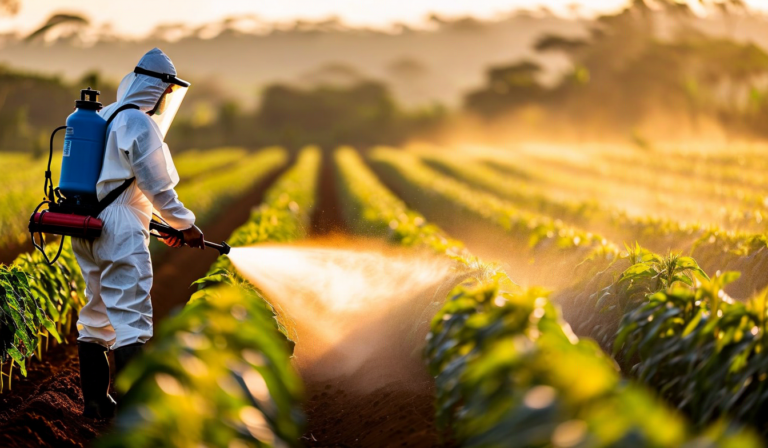
This is based on the output of the pest detection model for your zone. When no stress signatures are detected, this component contributes a full score. When anomalous spectral patterns consistent with known pest or disease signatures are present, the component score decreases. A confirmed pest alert reduces this component to near zero for the affected zone.
Weight in the index: 15%
How to read the score ranges
- 75-100: Healthy. The zone is developing within normal parameters. No intervention needed unless other indicators suggest otherwise.
- 50-74: Watch this zone. One or more components are below optimal. Not an emergency, but worth a check on your next field visit. Look at which component is dragging the score down.
- 25-49: Intervention needed this week. The zone has a meaningful deficiency or stress condition that will affect yield if not addressed. A field visit is warranted.
- Below 25: Urgent. Multiple stress factors are present simultaneously. This zone needs attention today or tomorrow, not next week.
Trend matters more than a single reading
A score of 58 on a Tuesday doesn't tell you much on its own. A score that moved from 74 to 58 between Tuesday and Thursday tells you something is changing fast in that zone. The weekly trend chart in the app is usually more actionable than the current point reading.
A stable score of 62 over three weeks might indicate a chronic issue worth investigating on your next farm visit. A sudden drop of 15 points over three days almost always means something specific happened: a drought stress event, an onset of pest pressure, or a drainage problem. Sudden drops are worth same-week investigation.
What the index can't tell you
The Crop Health Index is a triage tool. It tells you where to look and how urgently, not what to do when you get there. A score of 35 in your north zone will send you to that zone, but the agronomic diagnosis - is this rust, waterlogging, nitrogen deficiency, or equipment damage? - still requires field inspection.
The index also can't account for physical damage that doesn't show up in spectral or soil sensor data. Hail damage, animal intrusion, or equipment malfunction in one row may not trigger the index immediately if the overall zone area is large enough to dilute the signal. Keep your field observations feeding into your understanding of what the numbers mean for your specific farm.