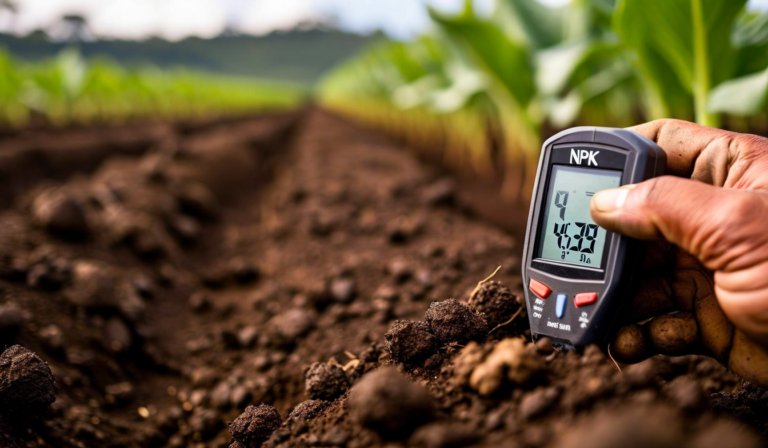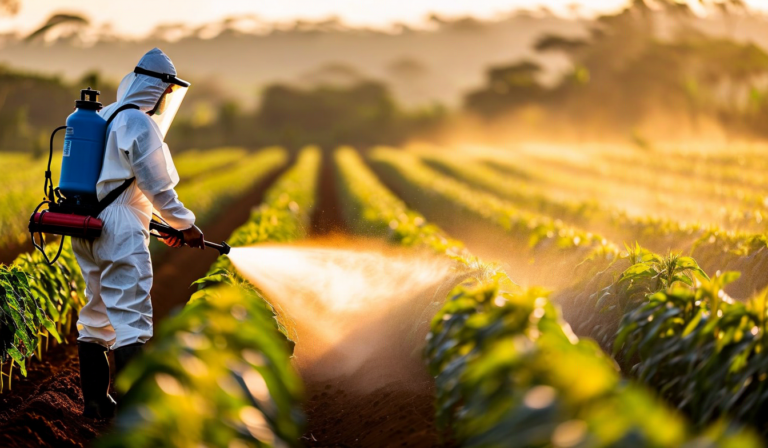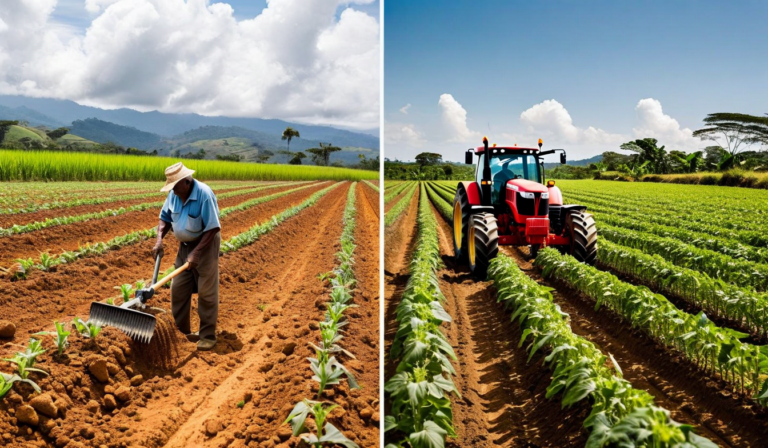
Two farms. Same department. Similar soil type. One farmer has been adding soil data to his decision-making for two years. The other hasn't changed his approach in a decade. The difference in outcomes isn't subtle anymore.
This isn't a controlled academic trial. It's what's happening on actual farms in Cundinamarca right now.
What "traditional" actually means here
Traditional farming in the Colombian highlands isn't backward. Farmers who've worked the same land for 20 years know things about their fields that no sensor can fully replicate. They know which corner floods first, which row always gets shade in the afternoon, where the clay runs thick.
But knowledge passed down through observation has limits. It can't tell you that the nitrogen in your north-facing slope dropped 18% over the past three months. It can't warn you about a rust front moving up from Huila three weeks before it hits your crop.
The actual numbers from Cundinamarca farms
Across farms using Sioma's platform for at least 18 months, compared against neighboring farms with similar crop types and acreage, the pattern is consistent:
- Fertilizer spend dropped an average of 19% - not because farms applied less, but because they applied it where it was actually needed
- Pesticide costs fell 34% on farms using the pest alert system, because early interventions require less product over a smaller area
- Water usage for irrigated farms declined 22% while maintaining or improving yield
- Overall yield per hectare increased an average of 16% over the first two growing seasons
These aren't projections. They come from platform data collected across farms in Cundinamarca, Boyaca, and Valle del Cauca.
What changes and what doesn't
Precision tools don't replace farming knowledge. Santiago Mejia, who manages 34 hectares near Fusagasuga, put it simply: "Sioma tells me things I couldn't know just by walking the field. But I still decide what to do with that information."
The satellite image doesn't tell you whether the yellowing you're seeing is from nutrient deficiency or early blight. The experienced agronomist in the field does. What data gives you is a faster path to asking the right questions - and more of them.
Where precision tools change the calculation most
Irrigation is the clearest win. Over-irrigating is expensive and damages soil structure over time. Under-irrigating costs yield. Soil moisture readings remove the guesswork that has always made this decision stressful.
Pest detection is the second major change. Traditional monitoring means walking the field twice a week and hoping you spot the early signs. Satellite analysis catches spectral stress signatures before visible damage appears. The 72-hour lead time that alerts give you is the difference between a targeted early intervention and an emergency full-field spray.
Is it worth the switch?
For a 15-hectare mixed farm in Cundinamarca, the math works out to roughly 3-4 months of platform cost recovered in the first growing season through reduced input waste alone. That's before counting yield improvements.
The harder question isn't whether the economics work. It's whether you trust the data enough to act on it. That takes a season to build. The farmers who get the most out of precision tools are the ones who use it alongside their own judgment, not as a replacement for it.
Getting started without disrupting your current practice
One thing we've seen repeatedly: the farmers who adopt precision tools most successfully don't try to change everything at once. They start with one field, one crop cycle, one season of data. They compare their own results side by side with what the platform suggested. By the second season, they've built enough trust in the data to act on it more consistently.
The transition from traditional to precision farming isn't a single decision. It's a shift in how you relate to information - from what you observe on foot to what a combination of sensors, satellite, and experience tells you together. That shift takes time. The farms showing 16-19% yield improvements in Cundinamarca didn't get there in three months.
What they did do is start. If you're farming in Cundinamarca, Boyaca, or anywhere in the Colombian highlands and want to see what your specific field conditions look like through the platform, contact us to set up a demonstration on your own land.